
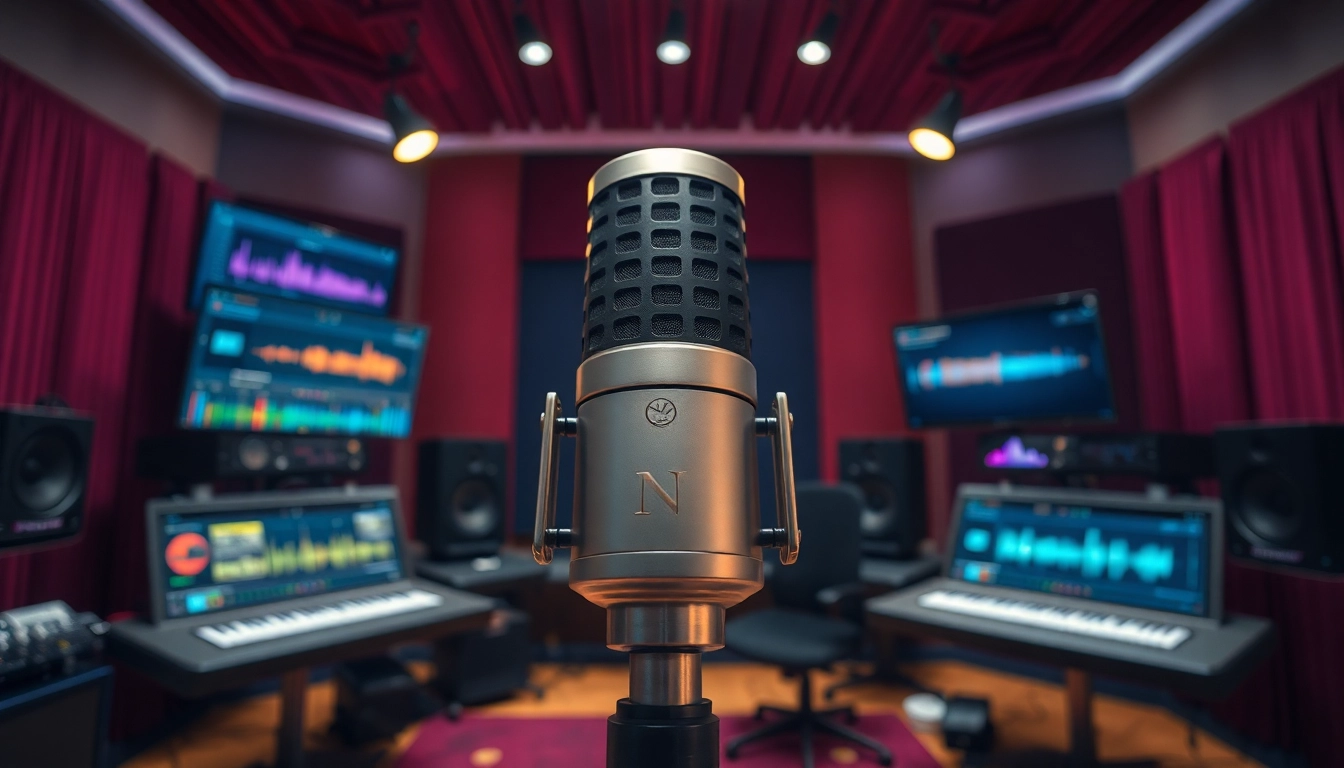
Understanding the CM88 Microphone
The CM88 microphone is making waves in the audio industry, known for its exceptional sound capture capabilities and versatility. Musicians, audio engineers, and enthusiasts alike are increasingly turning to this microphone for its reliability and performance. As we delve deeper into the specifics of the CM88, we will uncover what truly sets it apart, especially in a competitive market that includes a myriad of options. When exploring options, CM88 provides comprehensive insights that can guide your audio journey.
What Makes the CM88 Stand Out in the Audio Industry?
The CM88 microphone distinguishes itself with a blend of innovative technology and traditional craftsmanship. Unlike many of its contemporaries, it offers a unique combination of features that cater specifically to the needs of professional musicians and studios. One of its standout characteristics is its large diaphragm design, which allows for a broader frequency response, making it ideal for capturing everything from deep bass to high treble with clarity.
Moreover, the CM88’s cardioid polar pattern is designed to minimize background noise, focusing on sound sources directly in front. This feature is particularly advantageous in live settings and studio recordings, ensuring clean and precise audio capture. Its rugged build quality further adds to its appeal, allowing it to withstand the rigors of both studio and stage use.
Technical Specifications: Key Features of the CM88
Understanding the technical specifications is crucial when evaluating a microphone’s potential. The CM88 boasts an impressive frequency response ranging from 20 Hz to 20 kHz, allowing it to accurately reproduce the full range of audible sound. Its sensitivity rating of -42 dB and an impedance of 150 ohms makes it compatible with a variety of audio equipment, ensuring that users can connect it seamlessly with their existing setups.
Another notable specification is its maximum sound pressure level (SPL) of 130 dB, which means it can handle high sound levels without distortion, making it suitable for loud instruments such as drums and brass. Additionally, its body is designed with a durable metal casing, ensuring that the microphone can endure tough environments while maintaining high performance.
Comparative Analysis: CM88 vs. Other Microphones
In the crowded microphone market, it’s vital to understand how the CM88 compares to its competitors. When placed alongside other high-end models like the Shure SM58 or the Audio-Technica AT2020, the CM88 holds its ground. While the SM58 excels in vocal applications, the CM88’s versatility makes it suitable for both vocals and instruments, providing a more comprehensive tool for recording artists.
The Audio-Technica AT2020 offers a solid performance but tends to have a more pronounced high-frequency response. In contrast, the CM88 strikes a balance across the spectrum, providing a natural sound that many users find appealing. Ultimately, the choice between these models will depend on specific user needs, but the CM88 certainly deserves recognition for its all-around performance.
Applications of the CM88 Microphone
Best Uses for the CM88 in Professional Recording
The CM88 is an ideal choice for various professional recording applications. Its versatility means it shines in studio settings, live performances, and even podcasting. For musicians, the CM88 effectively captures intricate details of acoustic instruments, making it a favorite for recording guitars, pianos, and orchestral pieces.
In addition to instrument recording, the CM88 also excels in vocal applications. Singers find that it captures their voice with remarkable clarity, allowing for subtle nuances to shine through. This characteristic is particularly appreciated in genres ranging from classical to contemporary pop, where vocal fidelity is paramount.
How to Optimize Sound Quality with the CM88
To truly harness the potential of the CM88 microphone, it is essential to understand some optimization techniques. Proper microphone placement is fundamental; positioning the mic at an appropriate distance and angle can significantly impact sound quality. For vocals, positioning the CM88 approximately 6 to 12 inches away from the mouth helps to achieve a balanced sound while minimizing plosive sounds that can occur during pronounced consonants.
Using pop filters or windscreens can further enhance sound quality by reducing unwanted noise. Additionally, pairing the CM88 with high-quality preamps and interfaces can capitalize on its capabilities, ensuring that recordings are as clean and detailed as possible.
Real-World Examples: Success Stories from Musicians
Several musicians have attested to the CM88’s performance in real-world scenarios. For example, renowned indie artist Jade Rivers highlighted how the CM88 transformed her recording process, allowing for clean and vibrant acoustic guitar sounds that her previous microphones failed to capture.
Similarly, sound engineer Mark Stevens shared that the CM88 has become his go-to mic for live gigs. He noted, “The clarity and depth it brings to vocals and instruments on stage is unmatched. It has completely changed the way I approach live sound.” These testimonials underscore the CM88’s impact and reliability in diverse audio settings.
Common Challenges with the CM88
Addressing Frequency Response Issues
While the CM88 is highly regarded, it is not without its challenges. Some users have reported issues with frequency response, particularly in lower-end sounds. This can be attributed to the mic’s design, which while good, may not suit every application or preference. To address this, using EQ settings during post-processing can help to tailor the sound to individual needs, compensating for any deficiencies.
Maximizing Performance in Different Environments
The CM88’s performance can also vary depending on the environment. In untreated rooms, excessive reverberation can impact sound quality. To mitigate these effects, using acoustic panels and soundproofing techniques can aid in achieving clearer recordings. Additionally, understanding how to optimize mic placement can make a significant difference in capturing quality audio in challenging environments.
Debunking Myths about the CM88 Microphone
As with any popular microphone, several myths surround the CM88. One common misconception is that it cannot handle high SPL sources effectively. In reality, the CM88’s high SPL capability offers excellent versatility, making it a strong contender even in demanding situations. Moreover, some believe that more expensive microphones automatically yield better sound quality; however, the CM88 demonstrates that great sound does not always come with a hefty price tag.
Installation and Setup Tips for the CM88
Step-by-Step Guide to Setting Up Your CM88
Setting up the CM88 is a straightforward process. Start by unboxing and inspecting the microphone for any damage. Next, securely attach the mic to a stand using the provided clips to ensure stability during use. Connect the CM88 to your audio interface using an XLR cable, making sure to plug it into the correct input port—typically labeled as “mic” or “input.” Finally, adjust the gain levels on your audio interface while monitoring for any clipping or distortion.
Best Practices for Microphone Placement and Use
Microphone placement is critical for achieving optimal sound quality. When using the CM88, experiment with different angles and distances to find the sweet spot for your specific application. For vocals, a slight angle toward the mouth can capture a warmer sound, while for instruments, positioning it a few feet away can help in capturing a more natural tone. Remember to consider the environment as well; reducing background noise by using isolation techniques will enhance the final output.
Adjusting Your Setup for Optimal Performance
Regularly revisiting and refining your setup is essential. Pay attention to your recording environment and make adjustments as necessary. Sometimes, a small repositioning of the microphone or altering the gain levels can lead to significant improvements in audio quality. Additionally, utilizing a variety of audio effects during mixing can help to elevate your recordings, allowing the CM88 to shine in the final product.
Future Trends in Microphone Technology: The CM88 Perspective
Innovations to Expect in Audio Recording by 2026
As we look towards the future, advancements in microphone technology continue to emerge. We expect to see improvements in connectivity options, such as Bluetooth and Wi-Fi capabilities, enabling more seamless integration into modern recording setups. Additionally, enhancing digital algorithms for noise reduction will likely enhance the already impressive capabilities of microphones like the CM88.
The Evolving Role of Microphones in Music Production
The role of microphones in music production is evolving. With the rise of home studios, affordability and accessibility have become paramount. The CM88 is poised to fit perfectly into this trend, offering professional-quality sound that meets the demands of both amateur and veteran musicians. Moreover, as virtual collaboration becomes the norm, the need for high-quality recording tools will only continue to grow.
Preparing for the Future: Enhancements and Upgrades for the CM88
Looking ahead, potential enhancements for the CM88 could include more refined versions with built-in digital processing features, allowing users to tweak their sound directly from the microphone. As technology progresses, it will be exciting to see how the CM88 adapts and evolves, solidifying its position in audio recording for years to come.